In this article, we'll discuss industrial automation. We'll explain what this is, and many other aspects related to the topic, such as its advantages and disadvantages; we will also discuss the role played by some industrial automation companies. That said, we will be able to determine the impact that technology has had on the industry as a whole.
Times are constantly changing, and as the years go by, technology is becoming increasingly powerful, and the processes in which it is involved are becoming more automated.
What exactly is industrial automation?
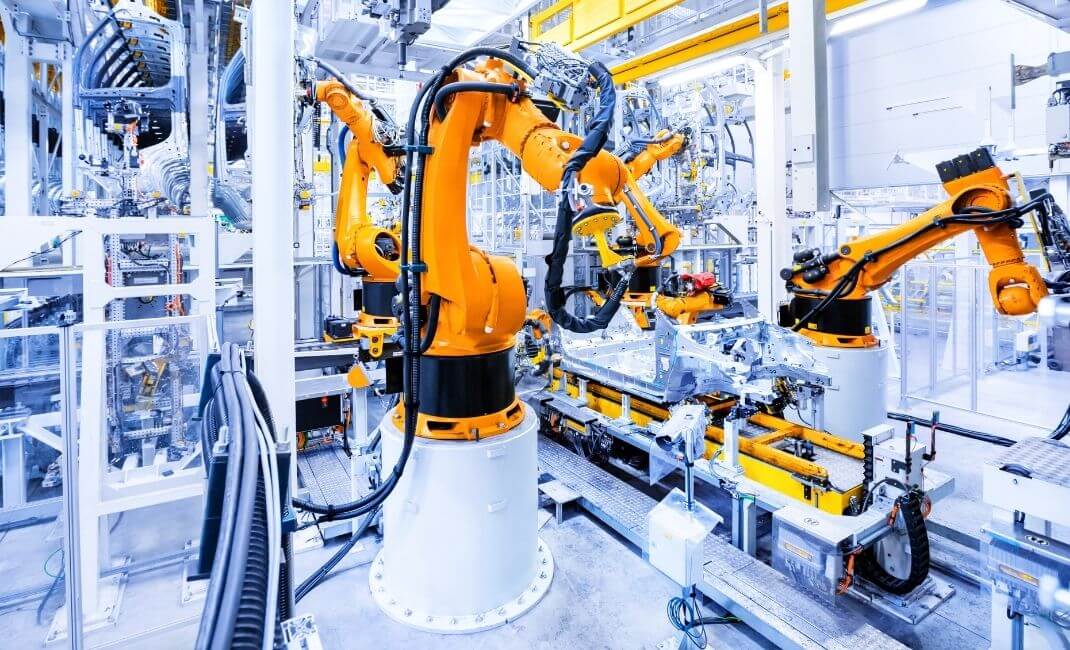
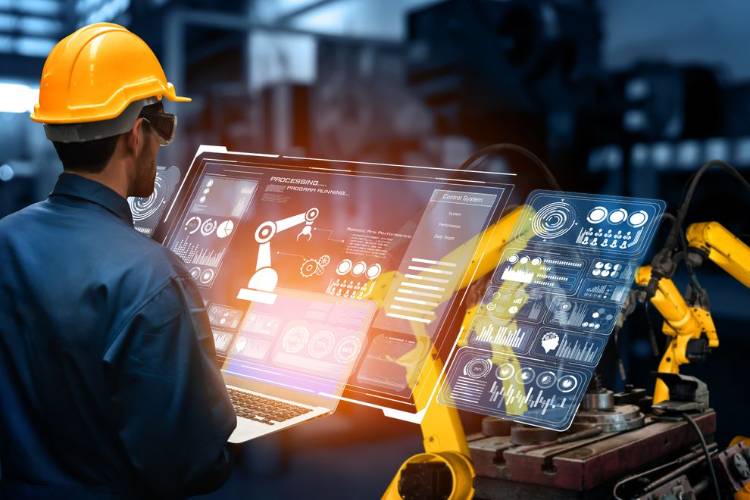
This concept simply refers to the monitoring and control of industrial machinery, using all kinds of electrical systems. These technologies are typically used through sensors, control systems, field transmitters, and data collection software. The ultimate goal of these technologies is to reduce costs and optimize industrial production without human intervention.
Advantages and Disadvantages of Industrial Automation
Being able to automate all or nearly all of an industry’s processes alleviates many problems, and making everything much more efficient undoubtedly generates benefits for the company. However, as with everything in life, it’s not all roses, and industrial automation also has its drawbacks, which we’ll discuss so you can gain a broader understanding of what its implementation entails.
Advantages
Human Errors are ruled out when measures like these are implemented, since all the tasks that need to be done are automated, everything is scheduled, and therefore, there is less room for error.
Products are manufactured more quickly and with higher quality. It has been proven that when production is scheduled, it is much faster, and quality is also much more consistent. That said, mass production is ideal for this type of initiative.
Production costs are undoubtedly decreasing. This is because, once everything is installed, there is no need for as much investment, since The number of staff hired should be limited.
Decision-making—and processes in general—is much faster, since the time it takes a human to make those decisions is not required when industrial automation is in place.
Similarly, workplace accidents—and all the risks they entail—are reduced, since Humans do not intervene in these processes.
Disadvantages
To implement this, it is necessary to have a skilled workforce that can participate in the process of installing the machines. Because the staff must be specialized, hiring these types of services is usually more expensive.
It should also be noted that, although once the machines are installed, they do not require any wages—as is only natural—it is nevertheless necessary to perform regular maintenance on these.
Because technology is advancing by leaps and bounds, we must consider the possibility that machinery will become obsolete over time.
One of the biggest drawbacks—if not the biggest—of machine automation is that humans are displaced. It is true that it has many benefits, but it also harms many workers who lose their jobs when they are replaced by machines.
Another disadvantage is that staff must be trained so they can better monitor the machines' performance.
Industrial Automation Companies
In order to implement these types of measures in a company, it is necessary to hire professionals that they ensure the installation is done correctly of the system. Since this is such a drastic and significant change, it is necessary to work with an industrial automation company. This company must be reputable and ensure proper installation and supervision of the systems.
To this end, there are companies that handle the installation of various software programs and the necessary machinery for factories seeking to automate their operations. Providing this service is one of their core functions. Most of these companies offer a wide variety of services to any business that wishes to utilize them.